
Layering your palette
Working through layers of materials without it bceoming tacky.
Jyotsna
4/11/20242 min read
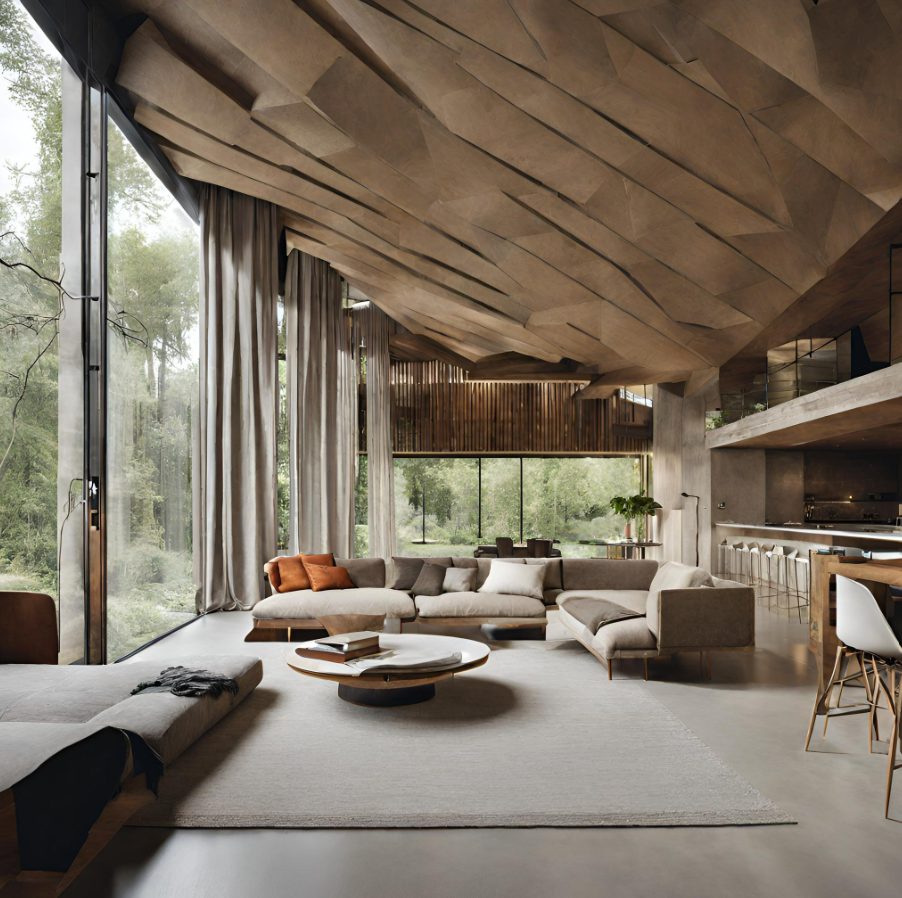
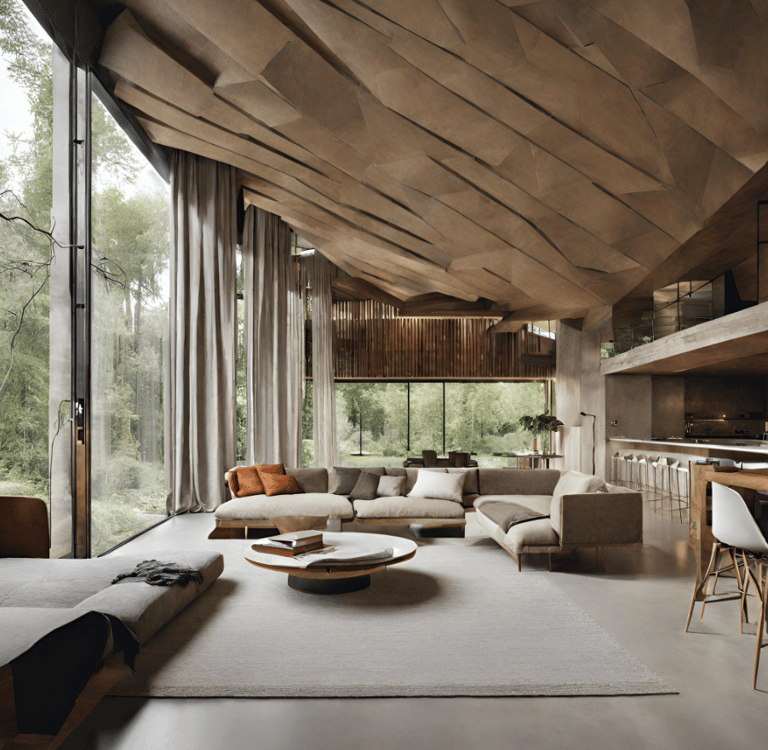
Welcome, dear readers, to the wonderful world of interior design, where creativity knows no bounds and the possibilities are endless. Today, I'm here to share with you a little hack for incorporating more than five materials into your interior space without it feeling overwhelming or chaotic. So grab your paintbrushes, roll up your sleeves, and let's dive in!
Tip #1: Establish a Cohesive Color Palette
The key to successfully mixing multiple materials in a space lies in establishing a cohesive color palette. Choose a primary color scheme that ties all your materials together harmoniously. Whether you opt for earthy tones, vibrant hues, or soothing neutrals, make sure each material complements the others within this color framework.
Tip #2: Balance Texture and Finish
Variety is the spice of life, and the same holds true for interior design. When mixing materials, aim for a balance of texture and finish to create visual interest and depth. For example, pair the smoothness of marble countertops with the warmth of reclaimed wood flooring, and offset glossy ceramic tiles with matte-finished furniture pieces. This interplay of textures will elevate your space and make it feel more dynamic.
Tip #3: Use Layering and Contrast Strategically
Layering materials is a surefire way to add dimension and complexity to your interior design. Experiment with layering different materials in various forms, such as layering rugs on hardwood floors, draping textured throws over sleek furniture, or hanging woven tapestries against brick walls. Additionally, don't shy away from incorporating contrasting elements, such as mixing metal accents with natural materials like stone or wood, to create a visually stimulating environment.
Tip #4: Pay Attention to Scale and Proportion
Maintaining a sense of scale and proportion is essential when working with multiple materials in a space. Ensure that each material's size and scale complement one another, preventing any one element from overpowering the rest. For instance, if you have large-scale furniture pieces, balance them out with smaller, more delicate accessories or vice versa. This careful attention to scale will help create a harmonious visual flow throughout the room.
Tip #5: Edit and Simplify
Lastly, remember the age-old adage: less is more. While it's tempting to incorporate a multitude of materials into your interior space, sometimes simplicity is the ultimate sophistication. Take a step back and assess whether each material serves a purpose and contributes to the overall aesthetic. Edit out any unnecessary elements that disrupt the cohesion of the design, allowing the beauty of your chosen materials to shine through.
So there you have it, dear readers – my hack for using more than five materials together in an interior space. By following these tips and tricks, you'll be well on your way to creating a stunning, multi-dimensional environment that showcases the beauty of diverse materials in perfect harmony. Until next time, happy designing!